All about the History of Sourdough Cookies!
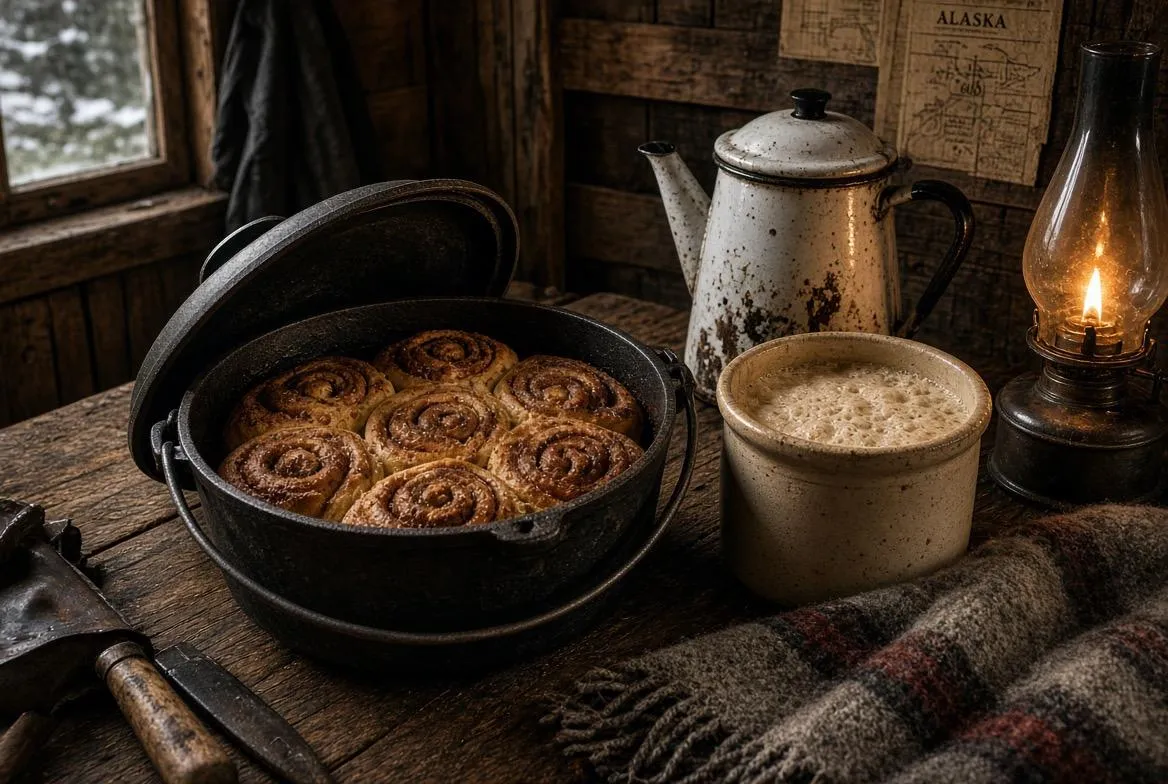
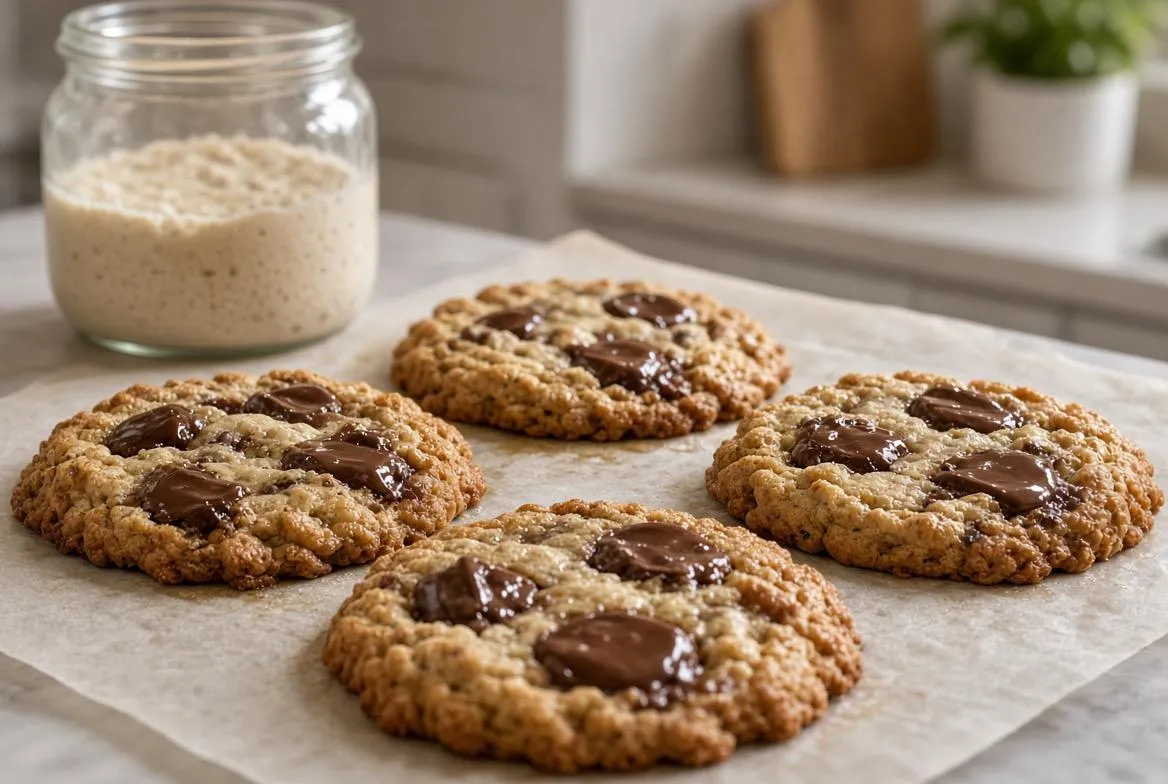
These are two different stories. Cinnamon rolls have a centuries-long bakery trail. Sourdough cookies, as we mean them now, are mostly a 21st-century way to use leftover starter. Combining them into one “sourdough pastry” history would flatten both.
Cinnamon rolls: spice, snails, and fika
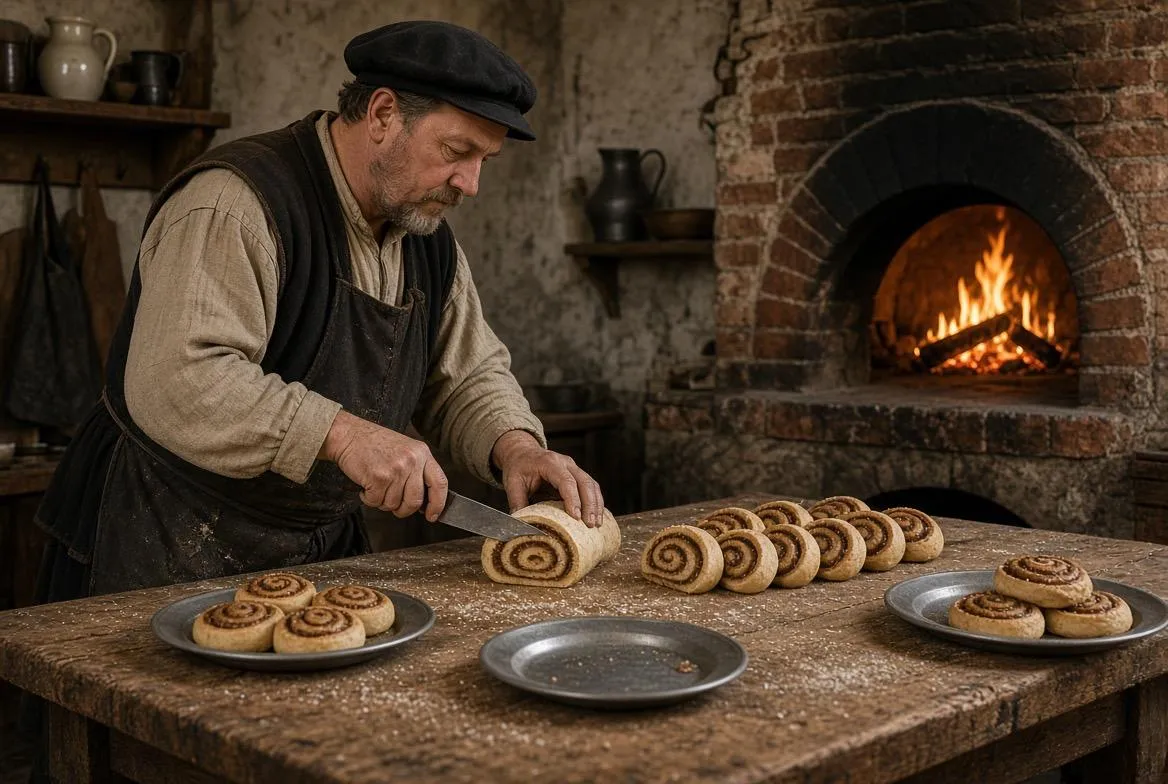
Cinnamon reached Europe from Sri Lanka through Arab and later colonial trade. Bakers did not invent the swirl overnight. The oldest written recipes that look like the roll sit in 16th-century Germany: Schnecken (“snails”), yeast dough rolled with sugar and spice, sliced into coils. The shape is older than Sweden’s claim. Dutch Zeeuwse bolussen (knotted, 1600s, with a Portuguese-Jewish thread in Zeeland) and the English Chelsea bun (currants, 18th-century London) are cousins, not copies. 
Sweden’s kanelbulle is the version that branded the pastry. After World War I rationing eased, butter, sugar, and cinnamon were affordable again. The modern Swedish bun takes shape in the 1920s, becomes everyday bakery and home baking in the 1950s, and is tied to fika—coffee plus a bun. Dough often carries cardamom. The top is egg-washed and pearl sugar, not a slab of cream-cheese icing. October 4 became Kanelbullens dag in 1999. Swedes eat a lot of them; the pastry is national furniture, not breakfast dessert. 
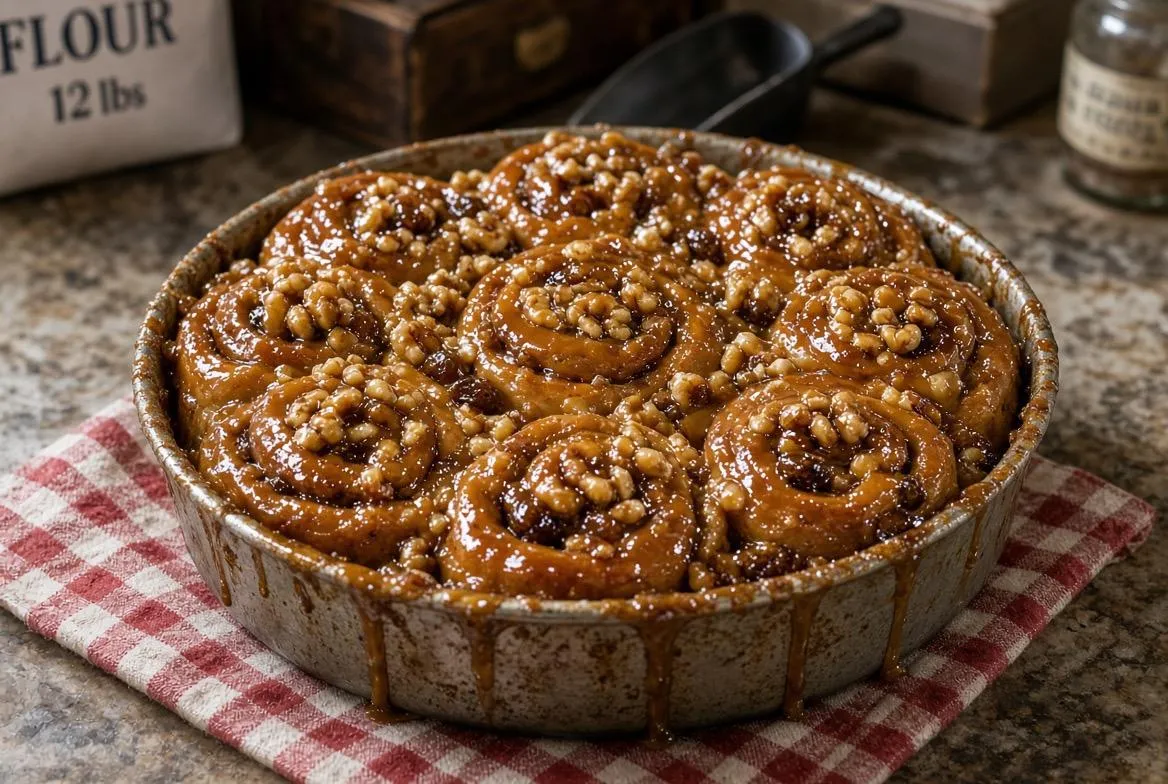
America got the German coil first. Eighteenth-century Pennsylvania Dutch and other German settlers brought Schnecken. In Philadelphia they picked up brown sugar, honey, raisins, walnuts—the sticky bun. Clementine Paddleford wrote that sticky buns belong to Philadelphia “as much as Independence Hall.” The Settlement Cook Book still listed “Cinnamon Rolls or Schnecken” in 1901; later editions drop the German name. Midwestern cafés served cinnamon rolls with fried chicken. In 1985 Cinnabon turned the American style—bigger, gooier, iced—into a mall chain. Swedish and American rolls share a spiral and cinnamon. They do not share sweetness, frosting, or cardamom. 
Sourdough cinnamon rolls: frontier necessity, then a recipe category
There is no 16th-century “sourdough cinnamon roll” as a named product. What existed was sourdough as the only reliable leaven on the move.
Gold Rush and later Klondike / Alaska prospectors carried starter because commercial yeast failed in camp. They baked bread, biscuits, pancakes—and, when they had sugar and spice, sweet rolls—from the same pot. A year’s flour plus a starter weighed less than canned food. Mounties at Chilkoot Pass required a year’s provisions; a sourdough crock helped meet that. Alaska roadhouses still sell sourdough cinnamon rolls as a local continuation of that camp baking, not as a Swedish import. That is the historical sourdough roll: yeast dough replaced by wild leaven because there was no other choice. 
The Instagram sourdough cinnamon roll—overnight fermented dough, brown-sugar swirl, cream-cheese glaze—is an artisan and home-baker fusion from the 2000s–2020s. It uses the old leaven on the Swedish/American pastry. It is historically honest as technique, new as a named item.
Sourdough cookies: a discard invention
Cookies themselves are older: sweet wafers after sugar reached Persia, Dutch koekje in New Amsterdam, the American chocolate-chip cookie in the 1930s. None of that required a starter.
On the frontier the word “cookie” often meant the chuckwagon cook, the person who kept the sourdough pot alive and baked biscuits in a Dutch oven. Those were not chocolate-chip cookies.
Modern sourdough discard cookies appear when home bakers refuse to throw away unfed starter. Blogs, King Arthur, and books such as Caroline Schiff’s The Sweet Side of Sourdough treat discard like buttermilk: acidity, chew, less waste. The 2020 starter boom multiplied the recipes. Microbiologically they are usually not fully fermented sourdough. Fresh flour in the dough never sits long enough. The tang is real; the fermentation claim is often marketing. That is still a legitimate late chapter: sourdough’s byproduct becoming a cookie ingredient.
Timeline written out
1500s. German cookbooks record Schnecken.
1600s. Cinnamon is common enough in Europe for sweet swirls; Dutch bolussen; Chelsea bun later in England.
1700s. German settlers bring snail pastries to Pennsylvania; sticky buns take shape in Philadelphia.
1849–1900. Gold Rush and Alaska camps leaven whatever they can—including sweet dough—with starter. Miners nicknamed sourdoughs.
1901. American cookbooks still say “cinnamon rolls or schnecken.”
1920s–1950s. Swedish kanelbulle becomes a national bun; cardamom and pearl sugar define it.
1985. Cinnabon scales the iced American roll.
1999. Sweden creates Cinnamon Bun Day.
2010s–2020. Discard cookies and fully sourdough-leavened cinnamon rolls spread as home-bakery recipes.
The honest split: cinnamon rolls are a European yeast pastry that America made stickier. Sourdough entered that pastry on the frontier because yeast was scarce, then again in kitchens that already kept a jar. Cookies borrowed the jar last, and mostly as leftover batter, not as a 19th-century dessert.
The deep assurance that comes from full alignment
LEARN ABOUT OTHER FAMOUS OLD TOWNS: Old Town San Diego, Old Towne Orange, Old Town San Clemente, Old Town Monrovia, Old Town Temecula, Old Town Pasadena, Old Town Sacramento, Old Town Bern, Old Town Stockholm, Old Town Prague, Old Town Lijiang, Old Town Alexandria, Old Town Albuquerque, Old Town Cottonwood, Old Town Quedlinburg, Old Town Rothenburg ob der Tauber, Old Town Marienplatz Munich, Flipside Point, Alexanderplatz Old Town Berlin, Old Town Chicago, Old Town Kissimmee Florida, Phuket Old Town, Old Town Asakusa, Old Town Madrid Major Square, Kraków Old Town, Old Town London Piccadilly Circus,
This is a Paragraph Font
~ SPAGHETTI WESTERN QUOTE:
“Courage is being scared to death and saddling up anyway!” – John Wayne
Visit Us At:
OLD TOWN SAN CLEMENTE
~ A Little Spanish Spaghetti Western Old Town ~
111 W. Avenida Palizada, San Clemente, CA 92672
"Thanks For Being Incredible!"
GREAT ARTICLES: Best places to eat, History of Del Mar Street, History of San Clemente Outlets, History of T-Street Beach,
History of the Pier, History of Cars and Coffee, History of Los De Juarez Burritos, History of the Smash Burger, History of Sourdough Bread, History of Sourdough Cookies, History of Sushi,
This website is owned and operated by (c) 2025 - University of San Clemente Inc.