All about the Historic Avenida Del Mar!
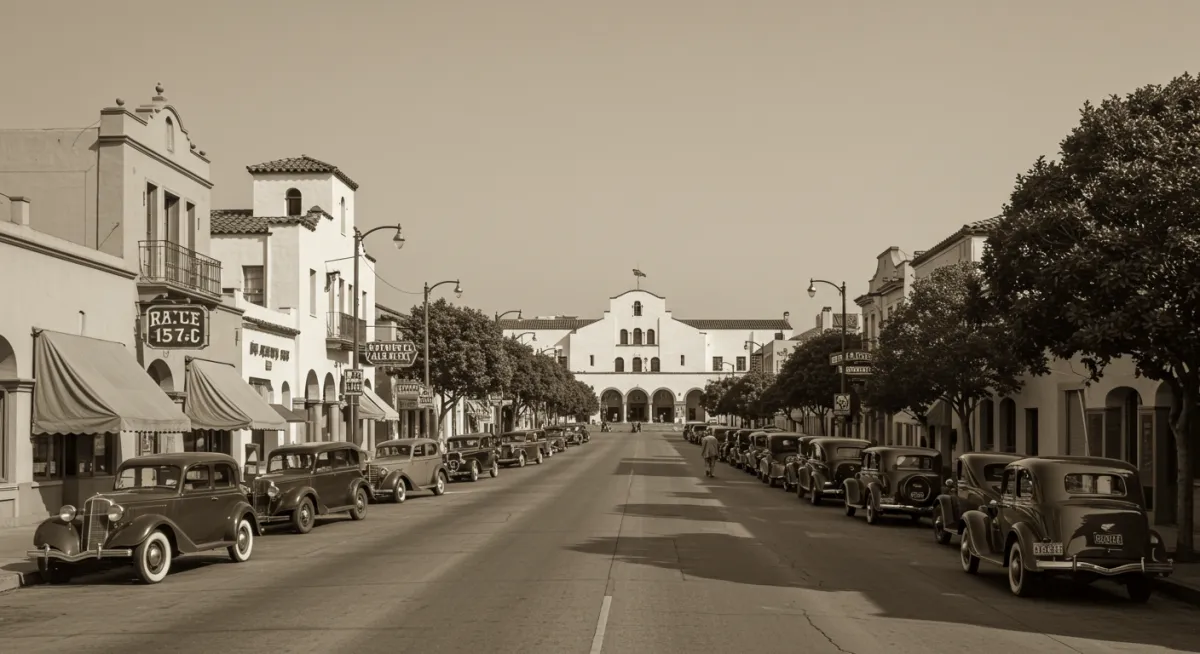
Avenida Del Mar (commonly called Del Mar Street) is the vibrant main street and commercial heart of historic downtown San Clemente, California. It embodies the city’s “Spanish Village by the Sea” identity. 
History and Development
Ole Hanson, a former Seattle mayor and developer, founded San Clemente in 1925 after purchasing land from Rancho Santa Margarita. He marketed it as a Mediterranean-style coastal community with white stucco buildings, red-tile roofs, arches, and wide streets. Avenida Del Mar was designed as a central thoroughfare—wider than the state highway at the time—to serve as the downtown core. 
The city officially named on November 23, 1925, and incorporated in 1928. Early development included a large sales tent at the intersection with El Camino Real. The street quickly became lined with Spanish Colonial Revival architecture, shops, and amenities. Many buildings from the Ole Hanson era (1920s–1930s) remain, and the area preserves this charm through design guidelines. 
Key historic elements include:
• Hotel San Clemente (114 Avenida Del Mar, built 1927): A National Register of Historic Places landmark, originally a 60-room hotel with a courtyard. 
• Historic City Hall and other structures.
• Tile murals in a pedestrian area (“Landmarks on Del Mar”) depicting historic buildings like Casa Romantica (Ole Hanson’s former home), the Easley Building, and more. 
The street and surrounding downtown reflect Hanson’s vision of a cohesive, picturesque village.
Location and Layout
Avenida Del Mar runs through the historic downtown, roughly from near the San Clemente Library/Community Center area toward the coast, intersecting with El Camino Real (a main north-south route). It forms the core of a walkable district with shops, restaurants, and nearby access to the San Clemente Pier (about a 15-minute walk) and beaches. 
The downtown stretches about a mile, with the library marking one end. It’s lined with palm trees and features Spanish-style architecture, making it picturesque for strolling. It’s halfway between Los Angeles and San Diego, with easy I-5 access. 
Businesses, Dining, and Shopping
Del Mar is known for its eclectic mix of locally owned boutiques, surf shops, restaurants, cafes, and specialty stores—few chains. It’s a hub for boho/beach fashion, home decor, gifts, and coastal vibes. 
Shopping highlights include boutiques (e.g., boho clothing, surf/beach gear), home decor, and unique stores. Popular spots mentioned over time: Backstreet, Coastal Abode, and various surf shops. 
Dining features seafood (e.g., Fisherman’s Wharf, BeachFire), Italian, Mexican, casual cafes, bistros, wine bars, and more upscale options like The Cellar (wine, music, cheese shop), Zov’s, Nick’s, and others. It’s a foodie destination with indoor/outdoor seating. 
The San Clemente Downtown Business Association (SCDBA) promotes the area, maintains a business directory/map, and supports local merchants. 
Events and Community Life
Del Mar hosts many community events, often closing parts of the street:
• Sunday Farmers Market (near the library): Fresh produce, flowers, etc. 
• San Clemente Annual Car Show: Classic cars line the street. 
• Street Fiesta / Fiesta Music Festival: Music, food, street closures. 
• Village Art Faire, Treat Street (Halloween), Shamrock Run, Restaurant Week, holiday events, and more. 
It’s a lively spot for parades, markets, and gatherings, reinforcing its role as the community’s social and commercial center.

Real Estate and Living
Properties on or near Avenida Del Mar include commercial spaces, mixed-use buildings, apartments/condos, and some multi-family homes. Examples: Multi-family units and apartments with ocean views or proximity to downtown amenities. Values are high due to the prime location—walkable to beaches, pier, shops, and dining. Nearby residential areas (e.g., Southwest San Clemente) are desirable for custom/Ole Hanson homes. 
It’s popular for its small-town feel, coastal lifestyle, and convenience. The broader San Clemente market features premium pricing for ocean-close or view properties.
Practical Info: Parking, Traffic, and Access
• Parking: Metered street parking (often $1.50/hour), public lots (e.g., behind buildings, library), and all-day options nearby. Time limits (typically 3 hours in key areas) are enforced to support turnover. Resident beach parking permits exist but have restrictions downtown. It can get crowded, especially weekends/events—arrive early or use shuttles/trolleys for events. 
• Traffic is busier during events or peak times, but the area is pedestrian-friendly.
• Design guidelines preserve the historic Spanish aesthetic for new development. 
Atmosphere and Appeal
Del Mar offers a charming, laid-back coastal vibe with palm-lined streets, ocean proximity, surf culture, and community spirit. It’s ideal for visitors and locals seeking shopping, dining, beach access, and events. Reviews praise its unique shops, quality restaurants, walkability, and small-town charm in a scenic setting. 
For the latest details, check the SCDBA website (scdba.org), city site (sanclemente.gov), or local guides. The area evolves but stays true to its historic roots. 
Background and Land Acquisition
Hanson partnered with financier H.H. (Hamilton) Cotton and others. They acquired about 2,000 acres of coastal property from the Rancho Boca de la Playa (part of the larger Rancho Santa Margarita y Las Flores). The land was largely untouched, offering beaches, cliffs, and potential for growth. Hanson marketed the area’s mild climate (“the World’s Finest Climate”), fertile soil, and scenic beauty as an escape from big-city life. 
He named the city after San Clemente Island (itself named by explorer Sebastián Vizcaíno in 1602 on St. Clement’s Day, November 23). The official naming occurred on November 23, 1925. 
The Sales Tent and Opening Day
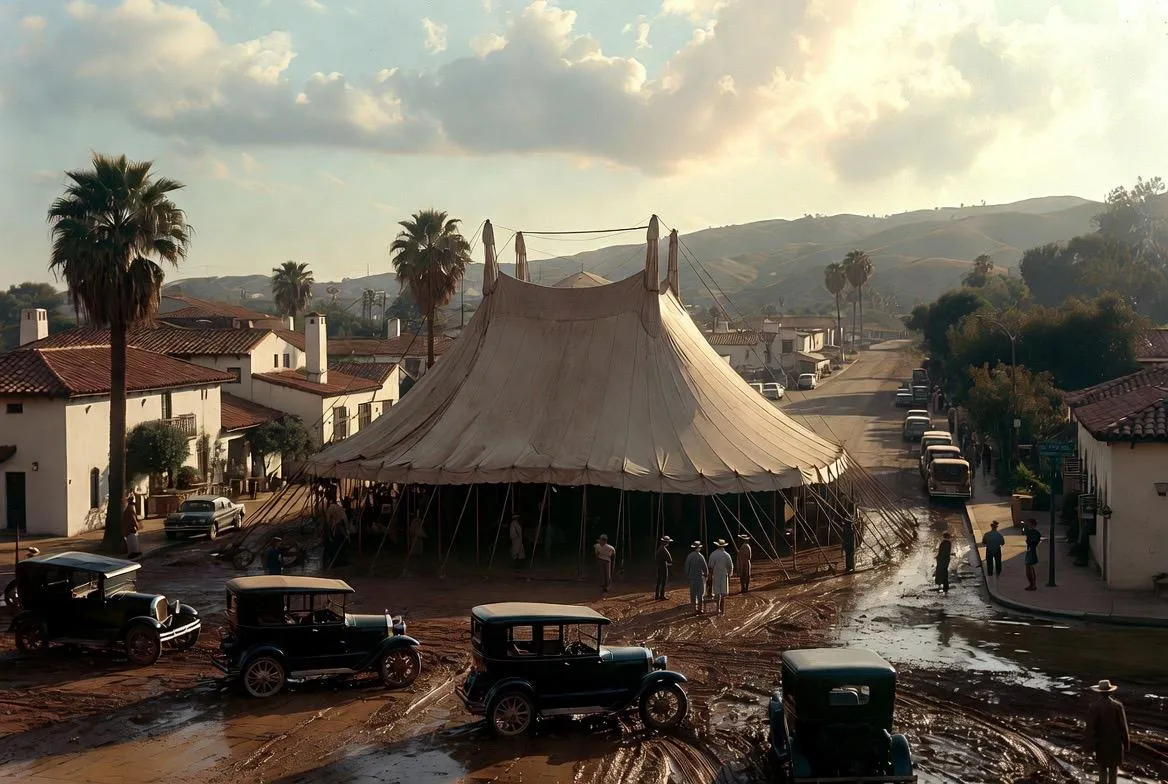
Hanson’s marketing was theatrical. Before formal opening, a large circus-style tent was erected near the future intersection of El Camino Real and Avenida Del Mar. On December 6, 1925, sales launched with a free chicken dinner event to attract buyers. 
It rained heavily, turning Avenida Del Mar into ankle-deep mud where salesmen’s cars parked. Inside the tent (and an Easley tent house), Hanson pitched lots amid challenging conditions. Despite the weather, the event succeeded in generating interest. Average lots sold for around $300. This “tent plan” proved pivotal: if crowds came, the development would thrive. 
Hanson’s pitch emphasized a cohesive Spanish Colonial Revival style: white stucco walls, red-tile roofs, arches, balconies, courtyards, and decorative elements. He required buildings to follow this aesthetic for harmony. 
Early Development and Infrastructure
• Planning: Before major construction, the site was fully surveyed, roads laid out (with Avenida Del Mar as a wide central thoroughfare—wider than the state highway), and land subdivided. Streets followed natural contours. 
• Building Boom: Construction began quickly on the area between El Camino Real and the ocean. By 1928, around 1,000 people lived there year-round. Over 500 Spanish-style structures were built in the founding era (many still survive today, protected by preservation efforts). 
• Amenities: Hanson planned a comprehensive community with schools, parks, a city hall, pier, public beaches, a church, shopping district (centered on Del Mar), and recreational facilities. Key early builds included the Ole Hanson Beach Club (1928), Hotel San Clemente on Avenida Del Mar (1927, 60 rooms), and other landmarks. 
The city incorporated on February 28, 1928, with Thomas Murphine as the first mayor. 
Vision and Legacy for Del Mar Street
Avenida Del Mar was designed as the bustling main street and downtown core—lined with shops, restaurants, and Spanish-style buildings. Hanson pushed for generous widths and cohesive architecture to create a picturesque, walkable village atmosphere. Early photos from the 1930s show a developing but sparse street with parades, vintage cars, and emerging structures overlooking the ocean. 
Hanson lived in Casa Romantica (built 1927 on a bluff), which exemplified his vision and now serves as a cultural center. He promoted “Americanism” and community ideals alongside the development. 
Challenges and Endurance
The 1920s–1930s brought economic hurdles (e.g., the Great Depression), but the core vision held. Strict design covenants preserved the Spanish theme. Today, design guidelines continue to protect this heritage, and Del Mar remains the lively heart of downtown with its boutiques, dining, events, and historic charm. 
Reenactments of the 1925 sales day have celebrated the centennial, highlighting Hanson’s showmanship.
The deep assurance that comes from full alignment
LEARN ABOUT OTHER FAMOUS OLD TOWNS: Old Town San Diego, Old Towne Orange, Old Town San Clemente, Old Town Monrovia, Old Town Temecula, Old Town Pasadena, Old Town Sacramento, Old Town Bern, Old Town Stockholm, Old Town Prague, Old Town Lijiang, Old Town Alexandria, Old Town Albuquerque, Old Town Cottonwood, Old Town Quedlinburg, Old Town Rothenburg ob der Tauber, Old Town Marienplatz Munich, Flipside Point, Alexanderplatz Old Town Berlin, Old Town Chicago, Old Town Kissimmee Florida, Phuket Old Town, Old Town Asakusa, Old Town Madrid Major Square, Kraków Old Town, Old Town London Piccadilly Circus,
This is a Paragraph Font
~ SPAGHETTI WESTERN QUOTE:
“Courage is being scared to death and saddling up anyway!” – John Wayne
Visit Us At:
OLD TOWN SAN CLEMENTE
~ A Little Spanish Spaghetti Western Old Town ~
111 W. Avenida Palizada, San Clemente, CA 92672
"Thanks For Being Incredible!"
GREAT ARTICLES: Best places to eat, History of Del Mar Street, History of San Clemente Outlets, History of T-Street Beach,
History of the Pier, History of Cars and Coffee, History of Los De Juarez Burritos, History of the Smash Burger, History of Sourdough Bread, History of Sourdough Cookies, History of Sushi,
This website is owned and operated by (c) 2025 - University of San Clemente Inc.