Los De Juarez Burritos

Welcome
Los De Juarez Burritos:
Los de Juárez Burritos brings authentic Ciudad Juárez-style burritos to Southern California.
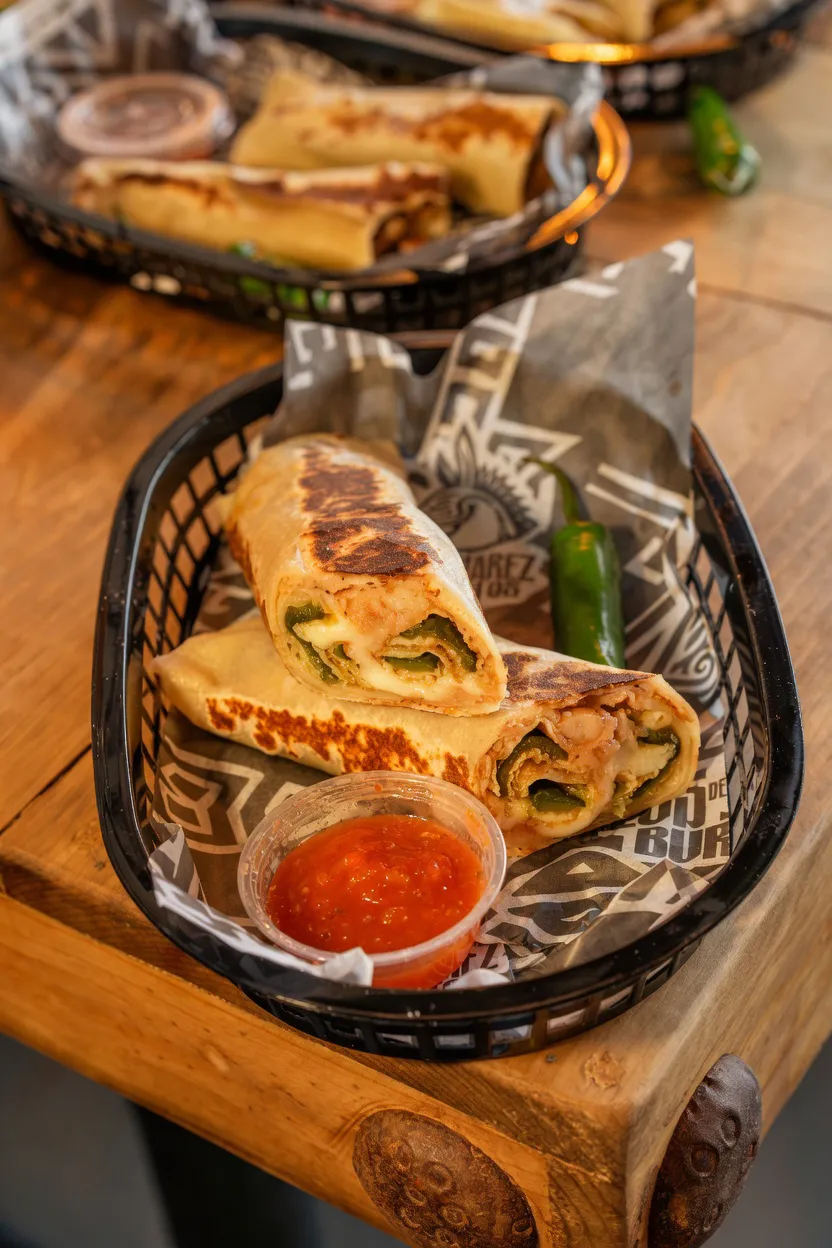
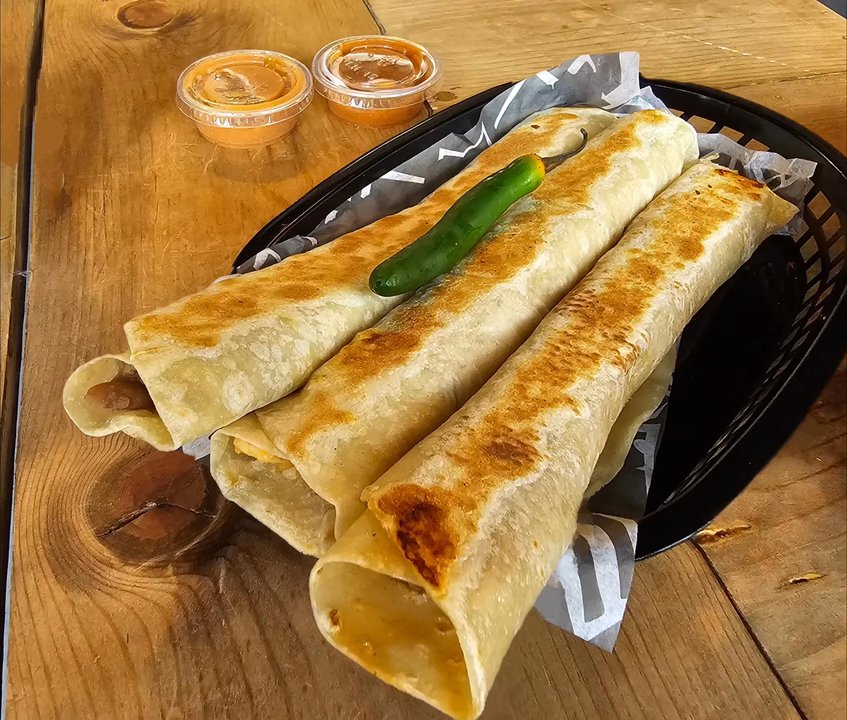
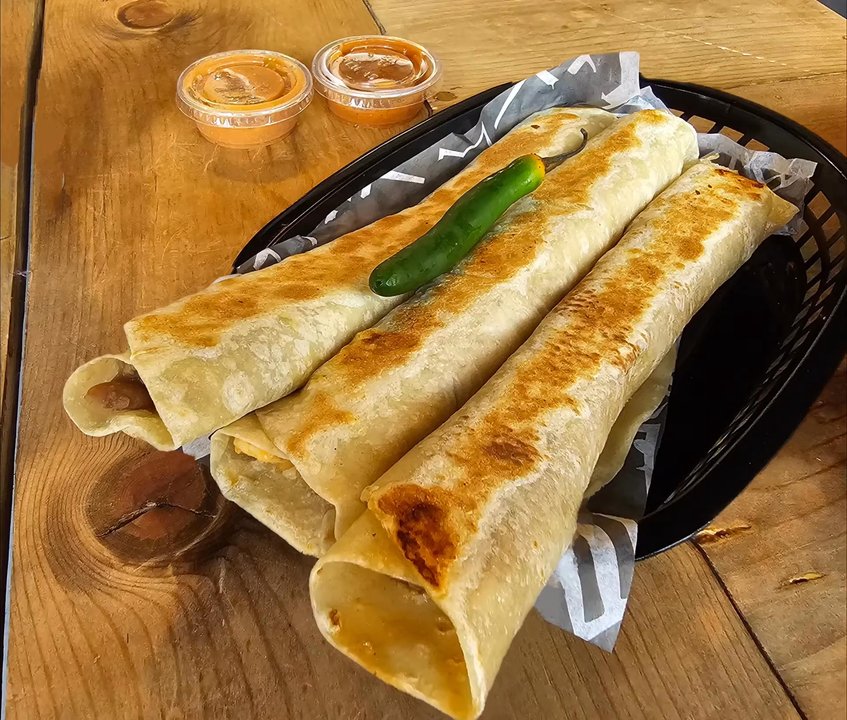
Unlike the giant, overstuffed burritos common in the U.S., Juárez-style burritos are long, slender, and focused on flavor. They feature fresh handmade flour tortillas (cooked with lard and butter) that are lightly grilled for a golden, crispy exterior. Inside, you’ll find high-quality slow-cooked guisados — rich stews and meats like chile relleno, chile colorado, birria, and more — with just a touch of refried beans. No rice, no heavy fillers — just pure, craveable Northern Mexican street food.
Founded in 2024 in Anaheim by Juárez natives Omar De la Vega and Juan Del Rio, Los de Juárez is a passion project dedicated to preserving the true taste of their hometown. Their burritos quickly gained a devoted following for their bold flavors, fresh ingredients, and authenticity that transports you straight to the border.
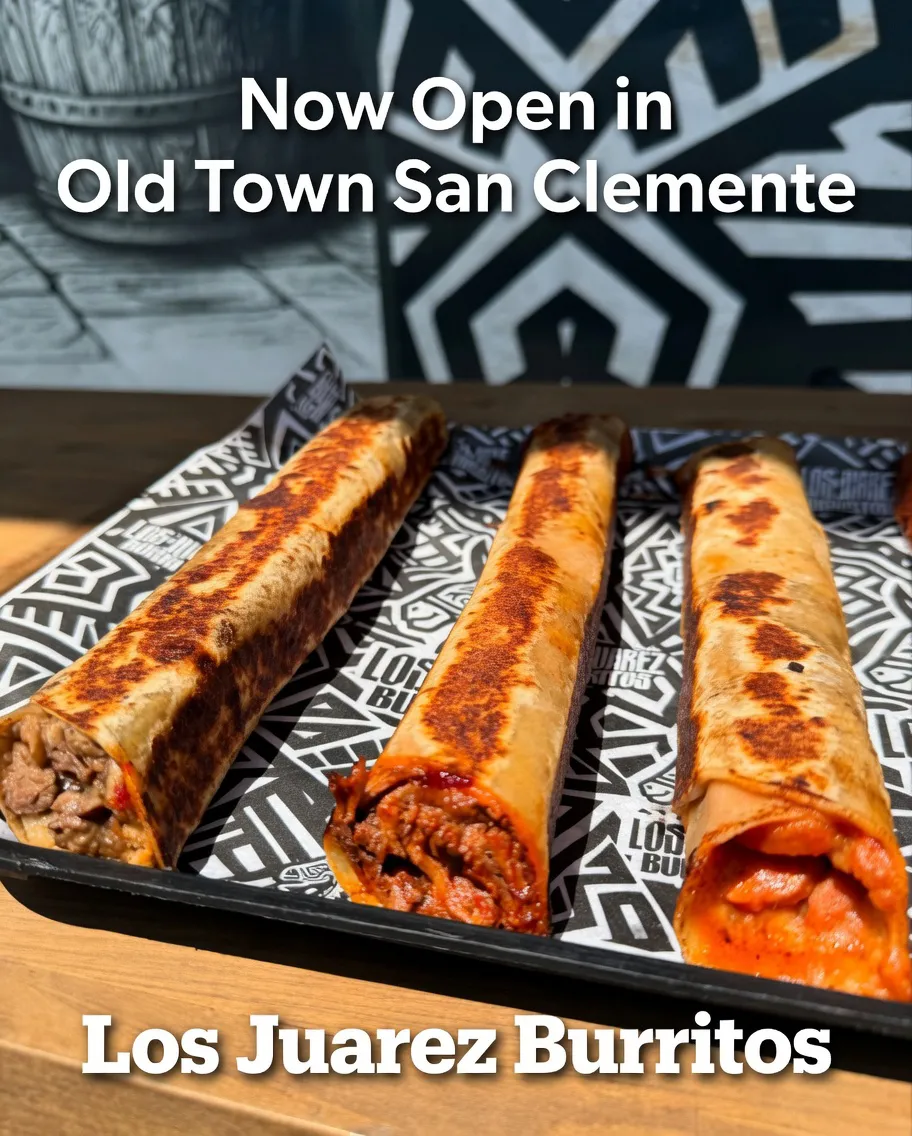
Now open in Old Town San Clemente, Los de Juárez Burritos delivers that genuine Juárez experience — simple, delicious, and deeply satisfying. Come hungry!

Testimonials

I got the chili relleno burrito and it was the perfect size! The verde salsa paired with that burrito was so good! Next time I might just get others for some more variety, but I will definitely be back
-Priya S.

The carne en su jugo burrito was competently prepared and satisfying in flavor. While I had anticipated a standard-sized portion to sustain me during an 8.5-hour drive home, the burrito proved smaller than expected. Nevertheless, at $9, it was reasonably priced for its quality. Service was prompt and orderly, particularly commendable given that my visit took place during the dinner hour.
-Bryce J.
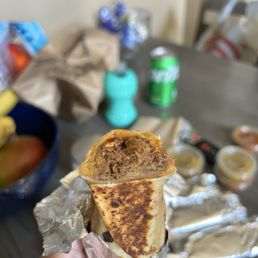
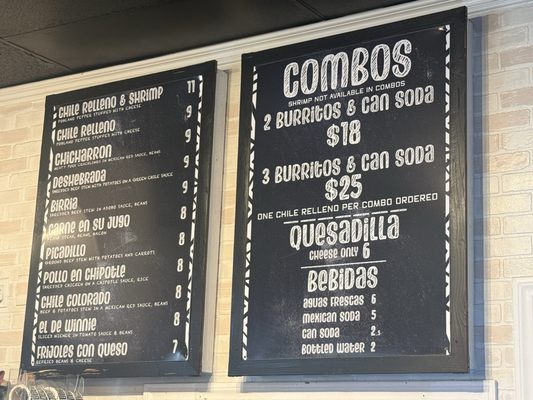
Yes, i decided to see what the whole hype was on these thin burritos. Well, definitely did not disappoint. We ordered the combo 3 burritos with a soda for $28. A bit pricey for a burrito but they are not stingy with the meat. We oedered Carne en su jugo, birria, chicarron, desebrada, pollo chipotle, and chile relleno. I am glad we ordered multiple of the carne en su jugo and desebrada bcz that was a favorite. Birria was ok, a bit salty for my taste but still good flavor. All of them to be honest were delicious. The cashier, was super nice and helpful. I would recommend you try at least once. Will be back for the breakfast burritos.
Alex S.

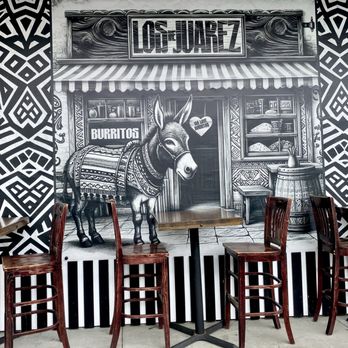
About Los De Juarez Burritos and it's Demographics
Los De Juarez Burritos is located in
Old Town San Clemente California.
HISTORY
A burrito (English: /bəˈriːtoʊ/, Spanish: [buˈrito]) is a dish in Mexican and Tex-Mex cuisine consisting of a flour tortilla wrapped around a filling of various ingredients. Historically, the term burrito was used regionally in several parts of Mexico as another name for what is more commonly known elsewhere as a taco, or a tortilla filled with food. The word was particularly associated with the Mexican states of Guanajuato, Guerrero, Michoacán, San Luis Potosí, Sonora, and Sinaloa, while similar dishes were referred to as tacos in Mexico City and surrounding regions, and as codzitos in the Yucatán Peninsula. Over time, the cultural influence of Mexico City contributed to the widespread adoption of the term taco, while regional names such as burrito and codzito gradually lost their original meanings or developed new interpretations through folk history.
In modern cuisine, the burrito is generally regarded as a distinct dish that originated in Ciudad Juárez, Mexico. It is commonly prepared by wrapping a flour tortilla into a sealed cylindrical shape around a variety of savory fillings. In central and southern Mexico, however, burritos are still frequently considered a type of taco and are often referred to as tacos de harina, meaning “wheat flour tacos.” The tortilla is typically steamed or lightly grilled before wrapping in order to improve flexibility and help it adhere to itself. Burritos are commonly eaten by hand because their enclosed structure keeps the fillings contained, although “wet burritos,” which are covered in a savory and spicy sauce, are usually eaten with a fork and knife.
Typical burrito fillings include meats such as beef, chicken, or pork, often combined with rice, beans, vegetables, cheese, and condiments. Common additions include lettuce, tomatoes, salsa, pico de gallo, guacamole, and crema. Ingredient combinations vary widely depending on regional traditions, culinary styles, and personal preference.
Burritos are frequently contrasted with related Mexican dishes such as tacos and enchiladas. Unlike burritos, tacos generally use smaller tortillas that are folded around the filling rather than fully wrapped and sealed. Enchiladas, by comparison, are typically made with corn tortillas and are covered in sauce, making them more commonly eaten with utensils. The burrito’s enclosed wrapping distinguishes it from these similar dishes and contributes to its portability and popularity.

A flour tortilla, also known as a wheat tortilla, is a type of soft, thin flatbread made from finely ground wheat flour. It is traditionally prepared using a dough composed primarily of flour and water, often combined with fat and salt, then pressed into thin rounds and cooked on a hot surface. Flour tortillas are similar in preparation to corn tortillas, although commercially produced versions commonly include chemical leavening agents such as baking powder and additional preservatives or additives.
The flour tortilla originated in Mexico following the introduction of wheat by the Spanish during the 16th century. Historical records indicate that wheat was first introduced to the region surrounding Mexico City in 1523. After proving highly successful as a crop, wheat cultivation rapidly expanded beyond the Central Mexican Plateau through the efforts of Catholic missionary orders. Franciscan monks brought wheat cultivation to Michoacán during the 1530s, while Dominican missionaries introduced it to Oaxaca in the 1540s. The missionaries distributed grain to local populations, who used it to produce flour and prepare unleavened bread. These breads were influenced by European culinary traditions and were often associated with religious practices and ceremonies within the Catholic Church.
Over time, wheat-based flatbreads evolved into what became known as flour tortillas, particularly in northern Mexico, where wheat cultivation was more suitable to the climate than corn production. Flour tortillas eventually became a staple food in many regions of Mexico and later gained widespread popularity in Tex-Mex and international cuisine due to their versatility and use in dishes such as burritos, quesadillas, and wraps.
Vegetables
are edible parts of plants that are consumed by humans and other animals as food. The term traditionally refers to all edible plant matter, including roots, stems, leaves, flowers, fruits, and seeds. In culinary usage, however, the definition of a vegetable is often shaped by cultural traditions and cooking practices rather than botanical classification. As a result, certain plant foods such as tomatoes, squash, broccoli, and legumes are commonly regarded as vegetables despite technically being fruits, flowers, or seeds. Conversely, some edible plant products such as nuts, cereal grains, and sweet fruits are generally excluded from the category.
Vegetables were originally gathered from wild plants by prehistoric hunter-gatherer societies before gradually becoming cultivated crops. The domestication of vegetables is believed to have occurred independently in several regions of the world between approximately 10,000 BC and 7,000 BC during the development of early agriculture. Initially, communities cultivated plants native to their local environments, but trade and migration later introduced new and exotic crops across continents. Over time, vegetables became central to agricultural systems and human diets around the world.
Today, vegetables are cultivated globally wherever climate conditions permit, and modern agricultural techniques allow crops to be grown even in regions with less favorable environments through the use of greenhouses and protected farming systems. China is the world’s largest producer of vegetables, and international trade enables consumers to purchase produce grown in distant countries year-round.

Meat is animal tissue, primarily muscle, that is consumed as food by humans and other animals. Humans have hunted wild animals and raised domesticated livestock for meat since prehistoric times. The development of agriculture during the Neolithic Revolution, beginning approximately 11,000 years ago, enabled the domestication of animals such as cattle, sheep, goats, pigs, chickens, and horses. Over time, selective breeding practices allowed farmers to produce animals with characteristics favored for meat production, including increased size, improved flavor, and higher fat content. Meat has since become an important component of economies, cuisines, and cultural traditions throughout the world.
Meat is composed mainly of water, protein, and fat, though its composition and quality vary depending on factors such as the animal’s genetics, diet, health, and living conditions. Because unprocessed meat spoils rapidly due to the growth of bacteria and fungi, humans have developed numerous methods of preservation, including salting, smoking, drying, and refrigeration. Meat may be consumed raw in some culinary traditions, but it is most commonly eaten cooked through methods such as roasting, grilling, frying, or stewing.
The consumption of meat, particularly red and processed meat, has been associated with an increased risk of several health conditions, including certain cancers, coronary heart disease, and type 2 diabetes. By contrast, fish and poultry are generally considered to present lower health risks when consumed in moderation. Meat production also has significant environmental impacts, including contributions to greenhouse gas emissions, pollution, deforestation, and biodiversity loss. As a result of ethical, environmental, health, or religious concerns, some individuals choose to avoid meat entirely by adopting vegetarian or vegan diets.
Breakfast is the first meal of the day and is typically eaten in the morning after waking. The term refers to the act of “breaking the fast” that occurs overnight during sleep. Breakfast traditions vary widely across cultures and regions, with different societies developing distinct foods, preparation methods, and meal customs based on local ingredients, climate, and historical influences. Common breakfast foods may include bread, cereals, eggs, fruits, dairy products, meats, and beverages such as coffee, tea, or juice.
Historically, the concept and terminology associated with breakfast evolved over centuries. In Old English, the regular morning meal was known as morgenmete, while the word dinner originally referred to a meal eaten after a period of fasting. The term dinner derived from the Gallo-Romance word desjunare, meaning “to break one’s fast.” By the mid-13th century, the earlier meaning of dinner gradually declined, and by the 15th century the term breakfast had entered written English specifically to describe the first meal eaten in the morning.
Breakfast is often considered an important meal because it replenishes energy and nutrients after the overnight fasting period. Nutritional habits and the significance attached to breakfast differ among cultures and individuals, with some traditions emphasizing large and elaborate morning meals while others favor lighter foods or beverages. In modern society, breakfast continues to play a major role in daily routines, social customs, and dietary practices around the world.

Frequently Asked Questions
The asking hat is better than the not knowing hat!

Is there additional parking?
YES, There is another parking lot on Miramar with more parking spaces than the main lot. When you look out the Miramar entrance you should see a sign that says Old Town Overflow Parking Lot.
Is there gluten and dairy free options?
No we do have gluten in all our flour rolls!
Do you have Vegetarian options?
Yes, we have vegetarian options!
Do you have 10Min parking for food pickups?
Yes we have two 10Min signed locations next to horse barn in the middle of the center. Stores sometimes have their own spaces they label during times of massive deliveries or pickups.
What is the most popular food you serve?
Our breakfast chorizo burrito and our Chile Relleno!
For I know the plans I have for you,” declares the Lord, “plans to prosper you and not to harm you, plans to give you hope and a future.
LEARN ABOUT OTHER FAMOUS OLD TOWNS: Old Town San Diego, Old Towne Orange, Old Town San Clemente, Old Town Monrovia, Old Town Temecula, Old Town Pasadena, Old Town Sacramento, Old Town Bern, Old Town Stockholm, Old Town Prague, Old Town Lijiang, Old Town Alexandria, Old Town Albuquerque, Old Town Cottonwood, Old Town Quedlinburg, Old Town Rothenburg ob der Tauber, Old Town Marienplatz Munich, Flipside Point, Alexanderplatz Old Town Berlin, Old Town Chicago, Old Town Kissimmee Florida, Phuket Old Town, Old Town Asakusa, Old Town Madrid Major Square, Kraków Old Town, Old Town London Piccadilly Circus,
This is a Paragraph Font
~ SPAGHETTI WESTERN QUOTE:
“Courage is being scared to death and saddling up anyway!” – John Wayne
Visit Us At:
OLD TOWN SAN CLEMENTE
~ A Little Spanish Spaghetti Western Old Town ~
111 W. Avenida Palizada, San Clemente, CA 92672
"Thanks For Being Incredible!"
GREAT ARTICLES: Best places to eat, History of Del Mar Street, History of San Clemente Outlets, History of T-Street Beach,
History of the Pier, History of Cars and Coffee, History of Los De Juarez Burritos, History of the Smash Burger, History of Sourdough Bread, History of Sourdough Cookies, History of Sushi,
This website is owned and operated by (c) 2025 - University of San Clemente Inc.