How to make authentic Orange Chicken:
Learn how to make authentic orange chicken from scratch in your own home!
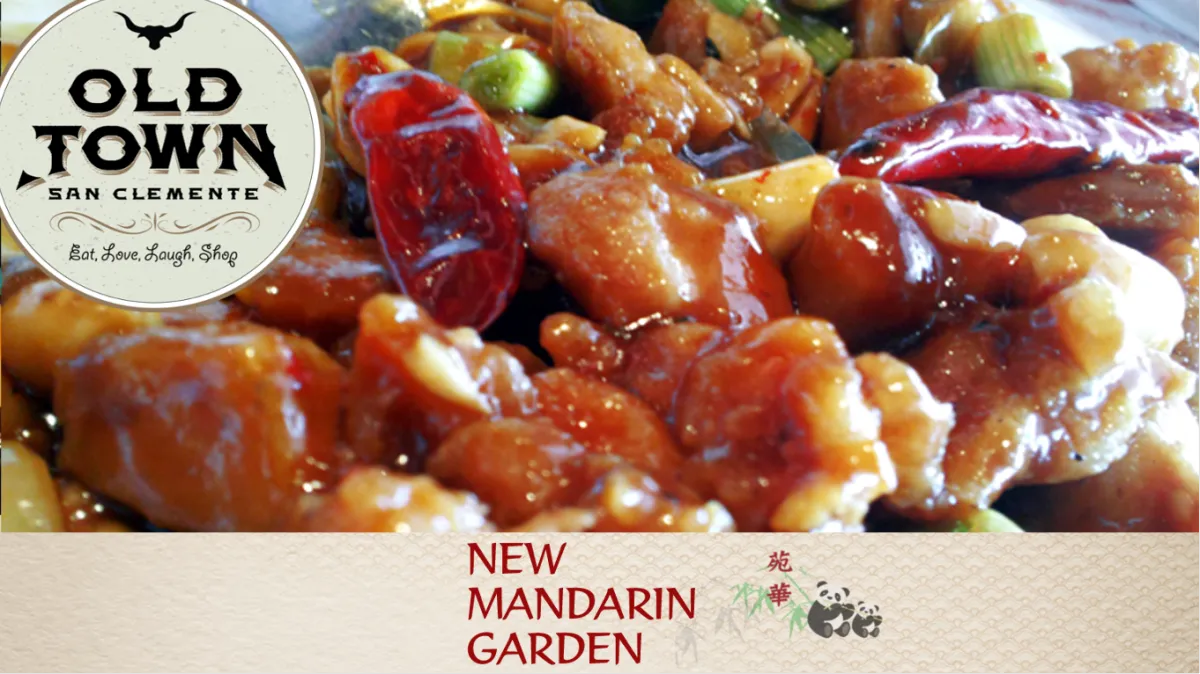
Ingredients:
Chicken
* 1 lb boneless chicken thighs (best for juiciness)
* 1 egg
* ½ cup cornstarch
* ¼ cup flour
* ½ tsp salt
* ½ tsp white pepper
* Oil for frying
Marinade
* 1 tbsp soy sauce
* 1 tbsp Shaoxing wine (or dry sherry)
* 1 tsp grated ginger
* 1 tsp minced garlic
Orange Sauce
* ½ cup fresh orange juice
* 1 tbsp orange zest
* 3 tbsp sugar (this is what gives that glossy sweetness)
* 2 tbsp soy sauce
* 1 tbsp rice vinegar
* 1 tbsp oyster sauce (optional but very authentic
* 1 tsp sesame oil
* 1–2 tsp chili flakes or dried chilies
* 1 tbsp cornstarch + 2 tbsp water (slurry)
Step-by-Step:
1. Marinate
* Mix chicken with marinade ingredients
* Let sit 20–30 minutes
2. Batter & Fry
* Mix cornstarch + flour + seasonings
* Dip chicken in egg, then coat in dry mix
🔥 Fry at 350°F (175°C):
* Fry once: 4–5 minutes
* Remove
* Fry again (important!): 1–2 minutes for extra crispiness
👉 Double-frying is what gives that crunchy texture like takeout
3. Make the Sauce
* In a pan, combine everything except slurry
* Simmer 2–3 minutes
* Add slurry → stir until thick & glossy
You want a sticky glaze, not watery
4. Toss & Finish
* Add fried chicken to sauce
* Toss quickly (don’t soak it too long or it gets soggy)
* Garnish:
* green onions
* dried red chilies
🔥 Pro Tips (what restaurants do)
Use *thigh meat**, not breast
Add a little *MSG** for that takeout flavor
* Don’t overcrowd fryer
* Sauce should coat—not drown—the chicken
The History of Orange Chicken:
Orange chicken, as it is widely known today, is not a traditional Chinese dish but rather a product of Chinese-American culinary evolution. Its roots can be traced back to older Chinese preparations such as chen pi ji, a dish made with dried tangerine peel that dates back centuries and emphasizes aromatic, savory flavors rather than sweetness. When Chinese immigrants arrived in the United States in the 19th century, they began adapting their cooking to suit locally available ingredients and American taste preferences, which tended to favor sweeter, richer, and fried foods. This process gave rise to what is now recognized as Chinese-American cuisine.
The modern version of orange chicken was popularized in 1987 by Chef Andy Kao at Panda Express, who drew inspiration from dishes like General Tso’s chicken and other sweet-and-savory fried preparations. By combining crispy, battered chicken with a glossy, sweet orange-flavored sauce, the dish was tailored specifically to appeal to American palates. Its balance of crunch, sweetness, and mild tang quickly made it a staple in shopping malls and fast-casual dining across the United States. Today, it stands as one of the most recognizable examples of culinary fusion—deeply inspired by Chinese techniques and flavors, yet distinctly American in its final form.
Orange chicken’s story is really a story about migration, adaptation, and reinvention. Its deeper roots begin in southern China, particularly in regions like Hunan and Sichuan, where cooks have long used citrus—especially dried tangerine peel (*chen pi*)—to flavor savory dishes. These traditional recipes, such as chen pi ji (tangerine peel chicken), were not sweet in the way modern orange chicken is. Instead, they focused on balancing aromatic bitterness, mild spice, and umami, often using techniques like stir-frying or braising rather than deep frying. Citrus was valued more for its fragrance and medicinal qualities than for sweetness.
In the mid-1800s, large numbers of Chinese immigrants—primarily from Guangdong (Canton)—came to the United States during the Gold Rush and railroad construction era. They brought their culinary traditions with them, but they faced two major challenges: limited access to familiar ingredients and the need to appeal to non-Chinese customers. As a result, Chinese cooks began modifying their dishes. Ingredients like broccoli, carrots, and sweeter sauces became more common, and frying techniques were emphasized because they were appealing and accessible. Over time, this led to the development of a distinctly Chinese-American style of cooking—one that maintained some core techniques but adapted heavily in flavor and presentation.
By the 20th century, especially after World War II, Chinese-American cuisine became increasingly popular across the United States. Dishes evolved to be bolder, sweeter, and more indulgent. Deep-fried meats coated in thick sauces—like sweet and sour pork and General Tso’s chicken—became staples. These dishes laid the groundwork for orange chicken. The idea of pairing crispy fried chicken with a glossy, sweet, citrus-based sauce was a natural extension of these earlier adaptations.
The specific version of orange chicken most people recognize today was developed in 1987 by Chef Andy Kao at Panda Express in Hawaii. Drawing inspiration from General Tso’s chicken and local Hawaiian flavors (which often incorporate sweetness and tropical citrus), Kao created a dish that combined bite-sized, battered, deep-fried chicken with a sticky, sweet orange sauce accented by garlic, ginger, soy sauce, and chili. This version leaned heavily into sugar and texture—crispiness from frying and a thick, lacquered glaze—making it highly appealing to American consumers.
From there, orange chicken spread rapidly through the Panda Express chain and became one of the most successful fast-casual dishes in the country. Its popularity was driven by its flavor profile—sweet, tangy, slightly spicy—and its consistency across locations. Today, it is one of the most iconic Chinese-American dishes, even though it is rarely found in China in this exact form. Instead, it represents a culinary journey: from traditional Chinese citrus-infused cooking, to immigrant adaptation, to a fully realized Americanized dish designed for mass appeal.
In that sense, orange chicken isn’t just a recipe—it’s a reflection of how food evolves when cultures meet, blending tradition with innovation to create something entirely new.
Faithfulness drives commitment; peace guards against fear of total investment.